Why Rainy Day ASMR and Bedtime Stories Effectively Cure Racing Thoughts at Night
Rainy day ASMR and slow-paced bedtime stories work because predictable, low-frequency auditory stimuli engage the brain's default mode network in a way that halts rumination. By anchoring focus to gentle environmental sounds and narrative pacing, listeners can actively quiet an overactive nervous system and transition smoothly into deep restorative sleep.
Key Takeaways
- Predictable auditory patterns help block out disruptive nocturnal thoughts and environmental noise.
- Rain ambience combined with soft narrative voice acts as an effective neurological anchor for stress relief.
- Slow pacing prevents cognitive stimulation, allowing the brain to shift from active beta waves to relaxed alpha and theta states.
- Targeted sleep audio can serve as a sustainable, non-pharmacological tool for chronic bedtime rumination.
The Neuroscience of Rain Sounds and Sleep
When your head hits the pillow at night, the sudden quiet of your bedroom often acts as a blank canvas for a racing mind. Without external stimuli to process, the brain frequently turns inward, replaying the events of the day, anticipating tomorrow's challenges, or cycling through endless worries. This phenomenon, known as cognitive hyperarousal, keeps the sympathetic nervous system activated when it desperately needs to power down.
Rain sounds serve as a natural acoustic shield against this internal chatter. Acoustically, steady rainfall falls into the category of pink noise—a sound spectrum where power is inversely proportional to frequency. Unlike white noise, which distributes energy equally across all frequencies and can sometimes sound harsh or hissing, pink noise mimics the patterns found in nature, such as rustling leaves, steady wind, and, of course, gentle rain.
To the human brain, pink noise is inherently comforting because it signals a lack of immediate threat. When you listen to the soft drizzle of rain against a windowpane, your auditory cortex processes it as a predictable, unchanging backdrop. This effectively masks abrupt household noises—like a creaking floorboard or a passing car—that might otherwise trigger a micro-arousal and pull you out of the early stages of sleep.
How Auditory Masking Protects Sleep Cycles
Auditory masking is the process by which the introduction of one sound makes other sounds imperceptible. By layering a steady, ambient rain soundscape over the typical silence of a bedroom, you create a perceptual boundary between your consciousness and the unpredictable outside world. This sensory consistency allows the thalamus—the brain's sensory relay station—to filter out incoming stimuli more effectively, making it significantly easier to cross the threshold from wakefulness into stage one sleep.
Why Narrative Pacing Matters for Racing Thoughts
While ambient soundscapes provide an excellent foundation for relaxation, they sometimes leave too much room for the mind to wander. This is where the integration of a slow-paced bedtime story becomes uniquely powerful. A well-crafted sleep story does not demand intense cognitive engagement; instead, it offers a gentle, meandering thread for the conscious mind to follow just closely enough to prevent it from wandering back to daily stressors.
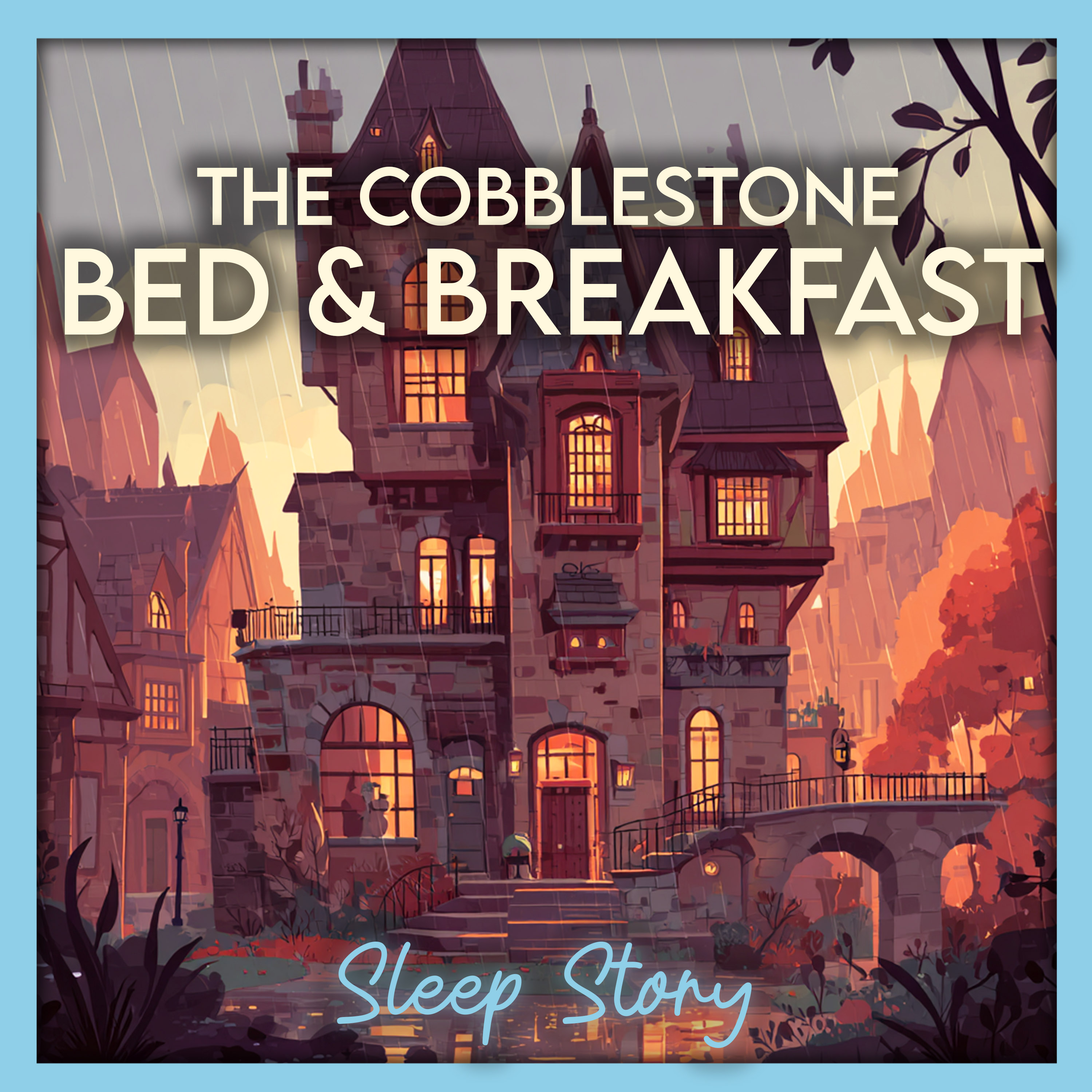
Consider the psychological mechanics of listening to a story about a quiet, rain-soaked village or a cozy, rustic inn. As the narrator describes soft lamplight, the texture of old cobblestones, or the rhythmic tapping of rain on a roof, your mind constructs low-stakes mental imagery. This visualization process occupies the visuospatial sketchpad of your working memory, leaving virtually no cognitive bandwidth available for anxiety or planning.
The Anchoring Effect of Gentle Narration
The cadence of the narrator's voice is just as important as the content of the story itself. A predictable, rhythmic speaking pattern with soft inflection encourages the listener's breathing and heart rate to synchronize with the audio track. This unintentional biofeedback reduces blood pressure and eases muscle tension throughout the body. As the story unfolds with minimal dramatic tension and a deliberately unhurried pace, the listener experiences a progressive reduction in mental alertness, mirroring the natural wind-down of a healthy circadian cycle.
Building a Sustainable Bedtime Routine with Audio
Incorporating sleep audio into your nightly routine requires more than just pressing play when you feel tired; it involves conditioning your brain to associate specific auditory cues with the immediate onset of rest. Over time, consistent exposure to the same style of soothing narration and ambient rain creates a powerful classical conditioning loop.
To maximize the effectiveness of this practice, try setting up your sleep environment to support auditory immersion without physical discomfort. Using specialized sleep headphones or comfortable bedside speakers ensures that the sound remains at a soft, soothing volume throughout the night. By making this sensory ritual a non-negotiable part of your wind-down window, you teach your nervous system that nighttime is a safe, protected space where racing thoughts simply do not belong.
Conclusion
Overcoming nighttime anxiety and racing thoughts is rarely about forcing your brain to shut off; rather, it is about giving your mind a gentle, engaging focal point that allows it to let go organically. Combining ambient rain sounds with slow, comforting storytelling offers a scientifically grounded pathway to deep, uninterrupted rest.
If you are ready to experience this therapeutic blend of ambient weather and cozy narrative pacing for yourself, be sure to Listen to the full episode. Let the soothing journey wash away the stress of your day and guide you effortlessly into a peaceful night of deep sleep.
Frequently Asked Questions
Why do rain sounds help quiet an overactive mind?
Rain sounds act as a form of natural pink noise, which provides a steady, predictable acoustic backdrop. This sound profile helps mask sudden environmental noises while signaling safety to the brain, effectively reducing the cognitive hyperarousal that fuels nighttime rumination.
How do bedtime stories differ from white noise for sleep?
While white or pink noise provides ambient auditory masking, a bedtime story engages the brain's imagination with low-stakes imagery. This gentle cognitive engagement occupies working memory just enough to prevent the mind from wandering back to daily stresses and anxieties.
Can listening to sleep stories become a psychological habit?
Yes. Consistent use of specific sleep audio creates a classical conditioning response in the brain. Over time, hearing the familiar voice pacing and ambient sounds trains your nervous system to trigger relaxation and melatonin production automatically.
What makes slow-paced narration effective for insomnia?
Slow-paced narration with a calm, steady cadence prevents cognitive stimulation. It naturally encourages the listener's breathing and heart rate to slow down, facilitating the transition from active beta brainwaves into the relaxed alpha and theta states required for sleep.