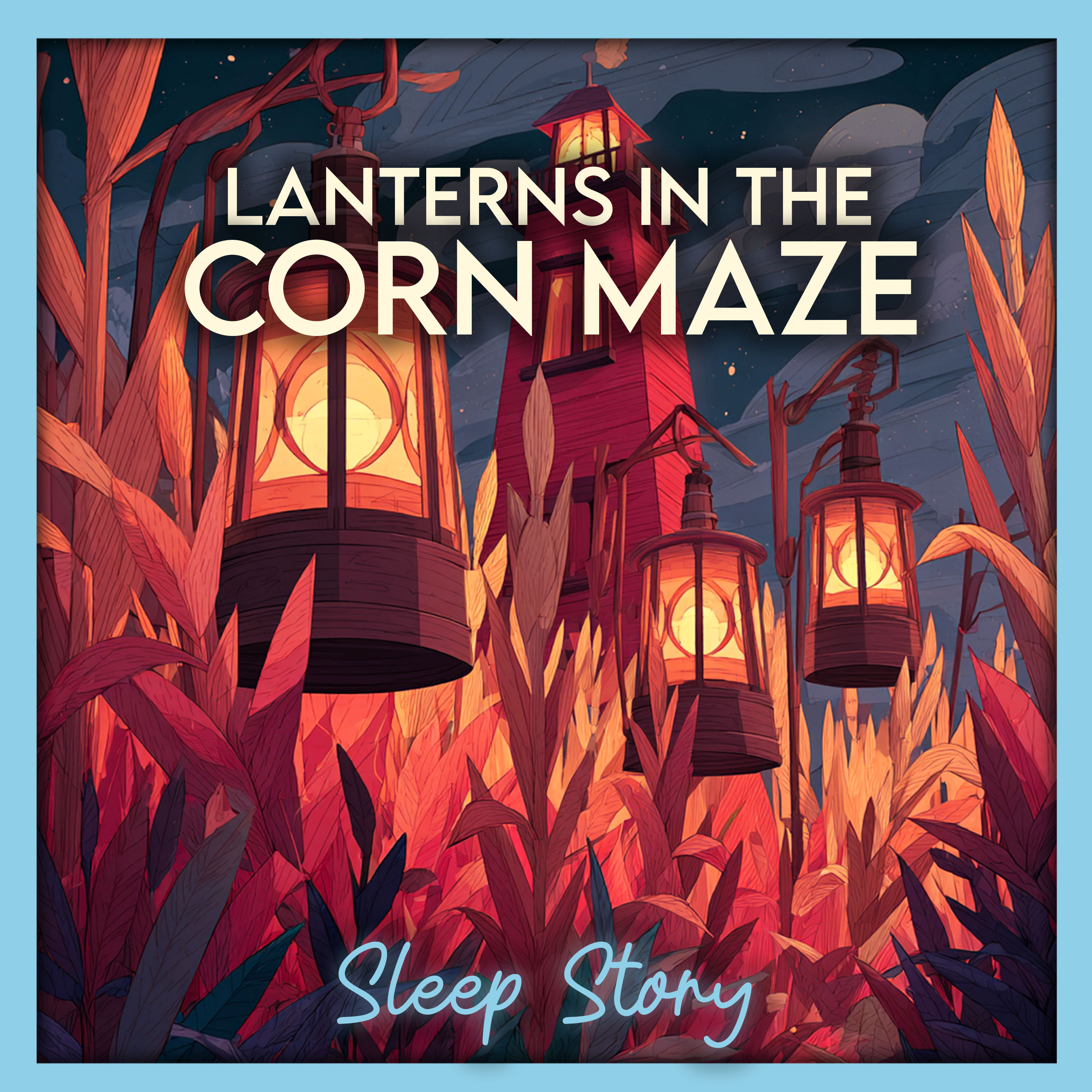
Why Cozy Autumn Imagery Tricks Your Brain Into Falling Asleep Faster
Understanding the psychological mechanics of autumn-themed relaxation helps explain why immersive seasonal storytelling effectively combats adult insomnia. By combining tactile sensory triggers—like warm tea and glowing lanterns—with low-stakes narrative progression, you can reliably quiet an overactive nervous system and transition rapidly into deep restorative sleep.
Key Takeaways
- Tactile autumn sensory details signal safety and physical comfort to the brain.
- Low-stakes narratives prevent cognitive arousal by giving racing thoughts a neutral, cozy place to rest.
- Warm-toned lighting descriptions mimic natural dusk, supporting healthy melatonin production.
- Predictable, slow-paced plotting effectively lowers elevated heart rates before bed.
The Psychology of Autumnal Comfort
Human evolution has hardwired our brains to associate specific seasonal cues with safety, shelter, and rest. When temperatures drop and the days grow shorter, our ancestors instinctively retreated to enclosed, warm spaces. Modern adults still respond powerfully to these environmental cues, even when they are delivered entirely through descriptive language rather than physical reality.
When you focus your attention on the imagery of a quiet autumn night—golden leaves underfoot, the weight of a heavy wool blanket, or the soft glow of a lantern cutting through the fog—your nervous system interprets these cues as a signal that the external dangers of the day have passed. This triggers a shift from sympathetic nervous system dominance (fight-or-flight) to parasympathetic activation (rest-and-digest).
How Sensory Anchoring Lowers Cortisol
Racing thoughts at bedtime are frequently fueled by elevated cortisol and adrenaline levels left over from daily stressors. Sensory anchoring interrupts this cycle. By providing specific, low-demand tactile and visual details to focus on, audio storytelling occupies the brain's phonological loop. There is simply no cognitive bandwidth left over to replay work emails or worry about tomorrow's schedule.
Why Low-Stakes Narratives Beat Traditional Reading
Many adults try to fall asleep by reading books or listening to fast-paced podcasts, only to find themselves accidentally staying awake until 2:00 AM. The reason comes down to narrative tension. Traditional mysteries, thrillers, and non-fiction essays are engineered to provoke curiosity, release dopamine, and keep you turning pages.
In contrast, specialized sleep stories utilize deliberate pacing and absolute absence of conflict. Walking down a winding path through a golden landscape requires no problem-solving. There are no villains, no cliffhangers, and no urgent stakes. The narrative exists purely to provide a gentle, rhythmic anchor for the listener's attention, fading softly into the background as natural drowsiness takes over.
The Strategic Use of Monotony
Monotony is traditionally viewed as a negative trait in literature, but it is an absolute superpower in sleep hygiene. Describing repetitive actions—such as passing one glowing lantern after another along a quiet path—induces a form of cognitive fatigue known as passive habituation. The brain quickly learns that nothing novel or threatening is going to happen, allowing attention to drift and sensory gating to take place.
Implementing Seasonal Sleep Triggers in Your Nightly Routine
You can amplify the effectiveness of audio sleep stories by aligning your physical bedroom environment with the cozy themes playing in your ears. While listening to stories about cool autumn air and warm lanterns, lowering your actual room thermostat and utilizing warm, amber-toned bedside lighting creates a multi-sensory reinforcement loop.
Furthermore, maintaining consistency with your audio choices trains your brain over time. When your nervous system repeatedly pairs the sound of soft narration and ambient night sounds with physical relaxation, listening to that specific style of content becomes a powerful conditioned cue for immediate sleep onset.
Conclusion
Overcoming bedtime anxiety and racing thoughts does not require complicated meditation techniques or expensive sleep gadgets. Sometimes, all it takes is trading high-stakes daily stimulation for the gentle, predictable comfort of an autumnal narrative landscape. If you are ready to experience this firsthand and let go of the day's accumulated stress, Listen to the full episode to drift off to a peaceful, restorative night of deep sleep.
Frequently Asked Questions
Why do autumn-themed stories help with anxiety at bedtime?
Autumn imagery naturally evokes feelings of coziness, shelter, and safety, which actively counteracts the physiological markers of anxiety and lowers heart rates.
How is a sleep story different from a standard audiobook?
Sleep stories deliberately strip away narrative conflict, dramatic plot twists, and high-energy voice acting to prevent the brain from staying alert or engaged.
Can listening to stories help if I wake up in the middle of the night?
Yes. Slow-paced, low-stakes audio is an effective tool for middle-of-the-night awakenings because it distracts from frustration without waking the brain up further.
Do I need to actively follow the plot of a sleep story?
No. Unlike traditional media, sleep stories are designed to be drifted in and out of. Falling asleep midway through is the primary goal.