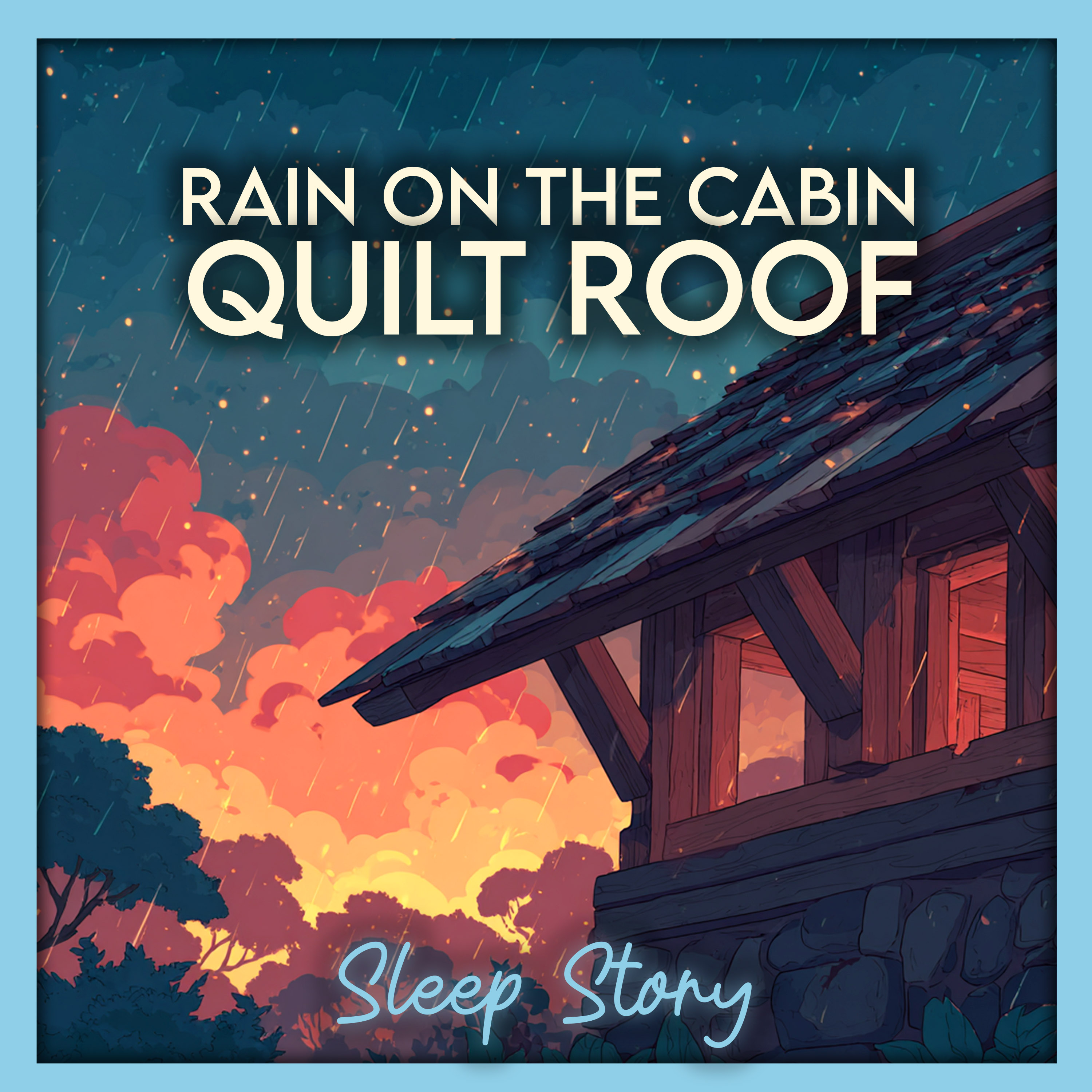
Why Rain Sounds and Firelight Imagery Create the Perfect Bedtime Environment
Using a combination of rhythmic rain sounds and warm visual imagery, like a flickering fireplace, can significantly reduce bedtime anxiety and accelerate the transition into deep sleep. This sensory pairing creates a safe, cozy environment that triggers the brain to release stress and prioritize recovery, providing a reliable method for those struggling with insomnia or racing thoughts.
Key Takeaways
- The psychological benefits of combining auditory rain patterns with comforting visual metaphors for sleep.
- How "cozy cabin" narratives serve as a cognitive anchor to move the mind away from daily stressors.
- Techniques for using sensory immersion to shorten your sleep latency.
- Why the predictability of environmental sounds, like rain, helps stabilize the nervous system.
The Psychology of Rhythmic Rain
Soundscapes play a vital role in sleep hygiene. Rain sounds, specifically, fall into the category of pink noise. Unlike harsh white noise, pink noise features a balance of frequencies that mimics many natural sounds. When our brains perceive the steady, rhythmic patter of rain against a roof, it signals that the environment is stable and predictable. This predictability is key to deactivating the body's fight-or-flight response, which often keeps us awake during times of high stress.
The Comfort of Firelight Imagery
Visualizing a warm, crackling fire provides a primal sense of security. Anthropologically, fire was our first defense against the darkness and the cold. By listening to stories that vividly describe a warm, glowing hearth, you are effectively engaging your brain's ancient safety mechanisms. This helps lower cortisol levels and replaces intrusive thoughts about tomorrow’s to-do list with a singular, soothing focus: the warmth of the cabin.
Why Cozy Narratives Induce Calm
Narratives that center on small, protected spaces—such as a cabin deep in the woods—provide a psychological "escape hatch." When you are tucked away in a tiny, safe room in your mind, the size of your real-world problems seems to shrink. This narrative device creates a boundary between your waking life and your sleep state, allowing you to mentally "lock the door" on the day’s tensions.
Building a Sensory-Rich Sleep Ritual
To maximize the efficacy of bedtime stories, it is important to establish a routine. The best results occur when you engage multiple senses before getting into bed. Consider dimming your actual lights to match the "firelight" theme, perhaps using a warm-toned lamp. Pair this physical environment with audio narration to create a multi-layered sensory experience.
By intentionally curating your surroundings, you make sleep a deliberate act of care rather than a chore. Whether it is the sound of rain on a cabin roof or the narration of a quiet night in the woods, these elements work together to build a bridge to deep, restorative rest.
Conclusion
Integrating environmental soundscapes with narrative storytelling is one of the most effective ways to lower your heart rate and prepare for rest. If you want to experience how these elements work together to help you drift off, you can listen to the full episode and immerse yourself in the comfort of a quiet forest cabin tonight.
Frequently Asked Questions
Why is rain noise often better than music for sleep?
Rain is a form of pink noise that provides a steady, non-repeating rhythm. Music often contains melodies or dynamic shifts that can catch the brain's attention, whereas the predictable pattern of rain helps the brain settle into a monotonous state conducive to sleep.
How does visualizing a fireplace reduce anxiety?
Visualizing fire triggers an evolutionary response that associates warmth and light with safety. This reduces the state of physiological alertness associated with anxiety, helping the body feel secure enough to let go of waking responsibilities.
What is sleep latency and how can I shorten it?
Sleep latency is the amount of time it takes to transition from full wakefulness to sleep. By using calming audio narratives that provide a "cognitive focus," you prevent the brain from wandering into anxious thoughts, thereby reducing the time it takes to fall asleep.