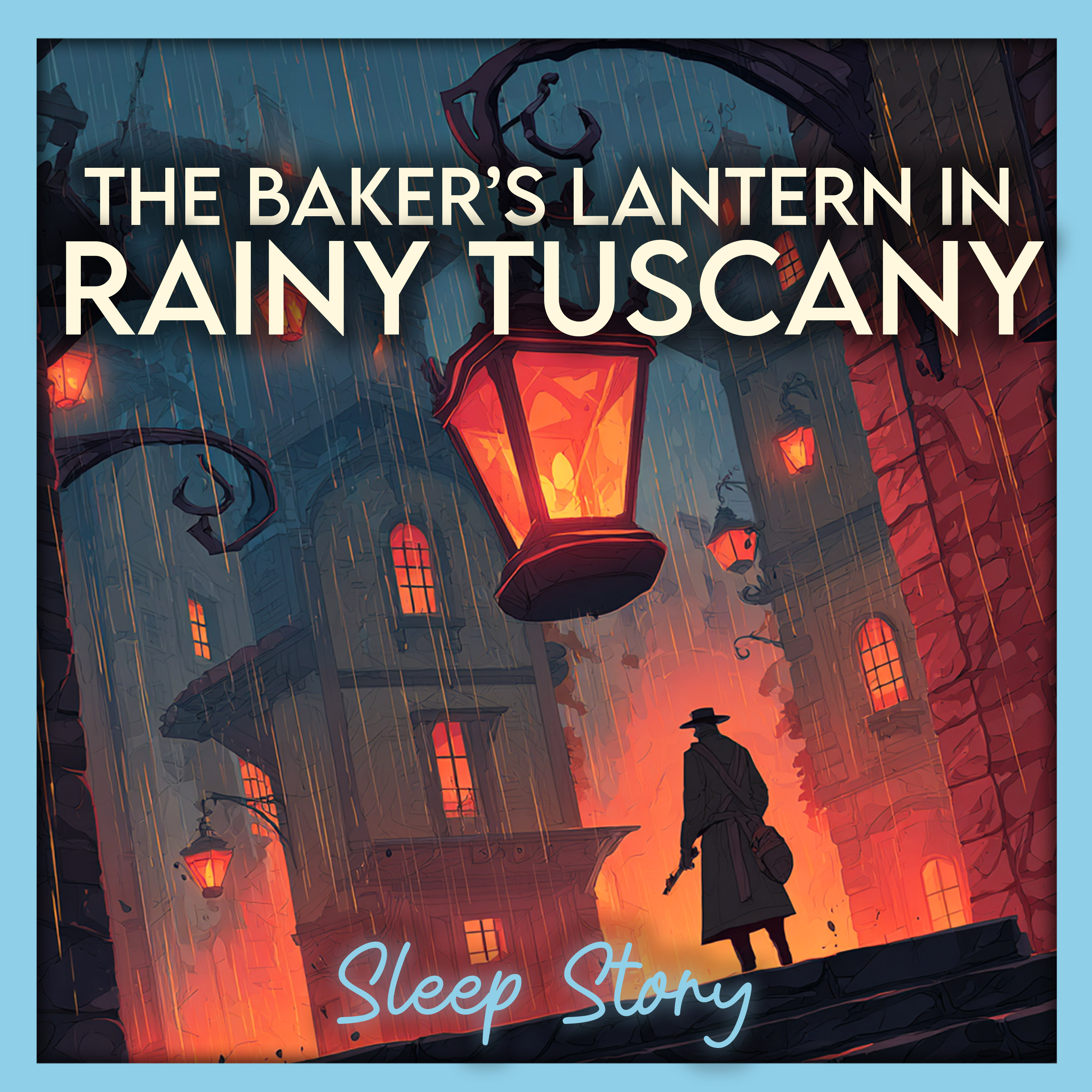
Creating an Italian Village Sleep Sanctuary: Sensory Design for Insomnia Relief
Creating an Italian village sleep sanctuary involves leveraging specific sensory triggers like warm lantern light aesthetics, the sound of soft rain, and slow-paced auditory narration. This comprehensive guide explores how simulating a cozy Tuscan evening primes the human nervous system for rapid, deep relaxation and sustained insomnia relief.
Key Takeaways
- Simulated Italian village environments utilize ambient lighting cues to signal melatonin production in the brain.
- Low-frequency auditory stimuli, such as soft village rain and slow-paced narration, effectively lower elevated evening heart rates.
- Integrating nostalgic, cozy sensory details helps distract an overactive mind from daily anxiety and racing thoughts.
- Routine exposure to consistent sleep story narratives conditions the brain to transition into rest mode faster.
- Specialized auditory setups, including sleep-specific headphones, maximize the therapeutic relaxation benefits of bedtime tales.
The Psychology of Cozy Escapism in Modern Insomnia
For millions of adults suffering from chronic insomnia or bedtime anxiety, the hardest part of the night is the transition from active problem-solving to passive rest. Modern life keeps the sympathetic nervous system locked in a state of high alert. When we finally lie down in the dark, the sudden absence of stimulation often backfires, giving our brains an unobstructed platform to replay stress, schedule tomorrow, and ruminate.
This is where cozy escapism becomes a powerful therapeutic tool. By transporting the listener’s imagination to a completely different, highly romanticized environment—such as a stone-built hilltop village in Tuscany during a gentle rainstorm—we engage cognitive distraction. Instead of focusing on our internal stress loops, our minds follow the warm glow of a baker's lantern through wet cobblestone streets. This mental migration lowers cortisol levels and calms the prefrontal cortex.
Sensory Blueprints of a Tuscan Sleep Sanctuary
Recreating the peaceful atmosphere of an Italian village inside your bedroom requires attention to specific sensory inputs. Sensory design is not just about making a room dark; it is about curating a complete ecosystem of comfort that tells every cell in your body that you are safe, warm, and entirely removed from deadlines.
Visual Cues and Warm Lighting
Bright overhead lights and the blue spectrum light emitted by smartphones disrupt circadian rhythms by halting melatonin synthesis. To build a Tuscan-inspired sanctuary, swap cool bulbs for amber, low-wattage lighting that mimics the flickering warmth of old-fashioned lanterns or a distant fireplace. Even before closing your eyes, dimming your environment to these warm tones signals your biology that the workday has officially ended.
Auditory Architecture: Rain and Voice
Sound is arguably the most critical component of an auditory sleep sanctuary. The steady, predictable rhythm of soft rain falling on terracotta roofs provides a natural pink noise mask. Pink noise contains equal energy per octave, which has been scientifically proven to reduce brainwave complexity and promote stable, deep sleep stages.
Coupled with rain, the pacing of the human voice matters immensely. Rapid speech stimulates cognitive processing, whereas slow, measured, and gentle narration induces a state known as a cognitive shunt. This occurs when the listener stops actively constructing their own thoughts and passively trails along the linear, low-stakes narrative of a baker lighting an old lantern, drifting effortlessly toward unconsciousness.
Actionable Steps to Build Your Nightly Wind-Down Routine
Transitioning from a chaotic evening to deep, restorative sleep does not happen by accident. It requires a deliberate ritual. Here is how you can integrate the calming themes of a rainy Tuscan evening into your own nightly habits:
- Set the Physical Stage Thirty Minutes Prior: Turn off all bright overhead lights. Rely entirely on warm, dim lamp lighting in your bedroom or hallway.
- Eliminate Friction: Prepare your bed in advance. Ensure your pillows and mattress provide ergonomic support so physical discomfort never competes with mental relaxation.
- Curate Your Soundscape: Avoid jarring music or podcasts with sudden shifts in volume. Choose a dedicated, soothing narrative designed specifically for nocturnal relaxation.
- Put the Screen Away: Place your phone face down or across the room. If you are listening to an audio story, start it and immediately close your eyes without browsing further.
Conclusion
Insomnia and nighttime anxiety can make the bedroom feel like a battleground rather than a place of refuge. By shifting your approach and utilizing the comforting, slow-paced sensory details of a rainy village evening, you can gently train your mind to let go of the day's burdens. Whether it is the imagined glow of lantern light or the rhythmic patter of rain on stone, these immersive narratives offer a reliable bridge to deep, restorative slumber.
To experience this soothing atmosphere firsthand and let go of tonight's stress, Listen to the full episode. Let the gentle narration, cozy imagery, and ambient sounds guide you into a peaceful night.
Frequently Asked Questions
How do sleep stories help with adult insomnia?
Sleep stories utilize cognitive distraction and low-stakes narratives to gently pull the listener's mind away from daily stressors and racing thoughts, effectively lowering heart rates and preparing the nervous system for sleep.
Why is rainy weather audio effective for deep sleep?
Rain sounds act as natural pink noise, masking disruptive background sounds and promoting stable, slow-wave brain activity essential for physical recovery and restorative rest.
Can listening to a bedtime story prevent middle-of-the-night waking?
Yes. Setting a calming audio track that plays softly through the night can help soothe you back to sleep if you happen to wake up in the middle of the night, preventing prolonged periods of insomnia.
What makes the Tuscan village setting ideal for relaxation?
A rural Tuscan village setting evokes feelings of timelessness, safety, simplicity, and rustic warmth, which starkly contrast with the high-stress, fast-paced environment of modern daily life.