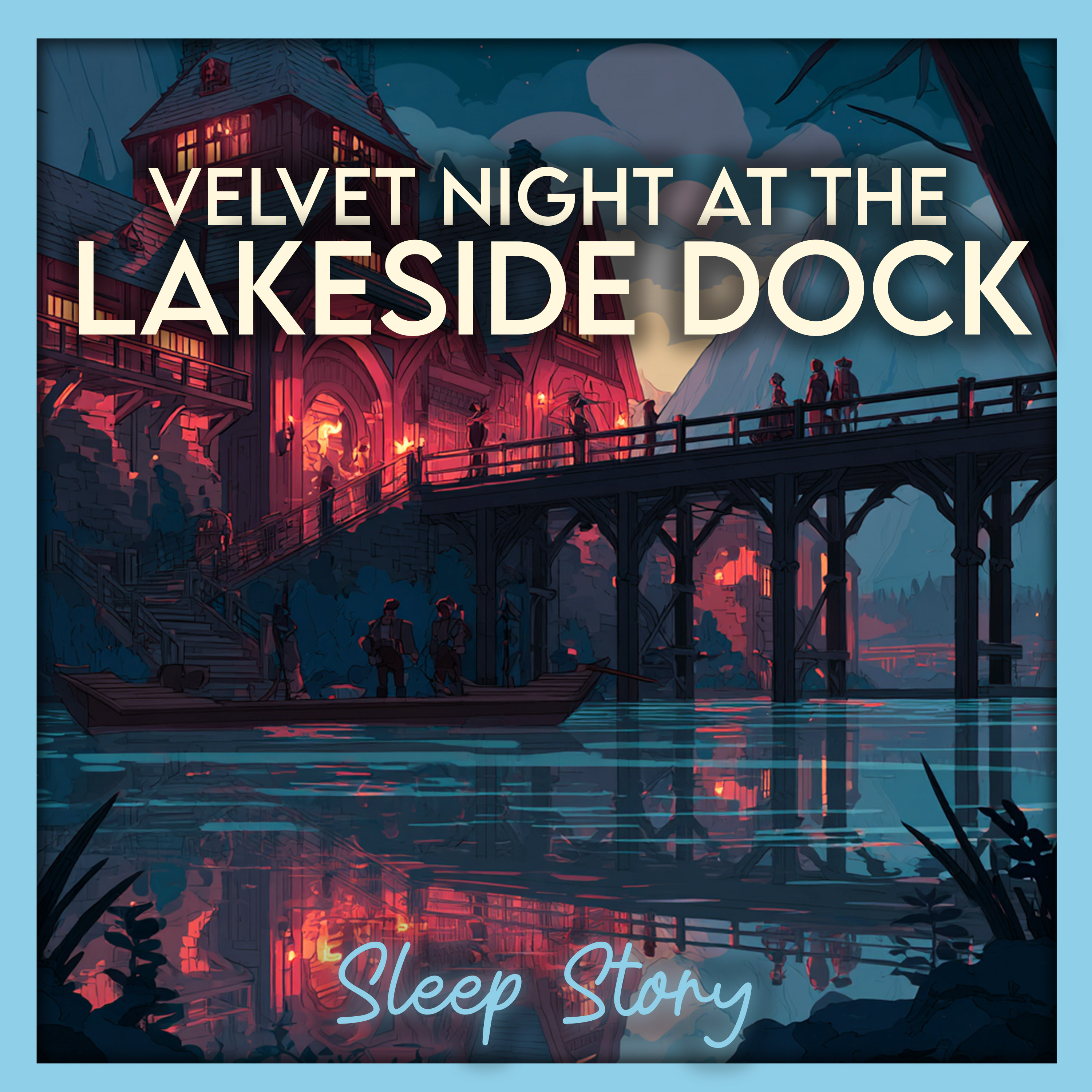
How to Use Nature Imagery and Slow Pacing to Stop Racing Thoughts at Night
Racing thoughts at bedtime are one of the most common obstacles to restorative rest. When your mind refuses to slow down, intentional narrative techniques—such as visualizing a solitary forest path or watching lantern boats drift across calm waters—can anchor your attention. This article explores the cognitive science behind immersive nature imagery and slow-paced storytelling, offering practical strategies to quiet an overactive brain before sleep.
Key Takeaways
- Visualizing slow-moving nature scenes helps transition the brain from high-stress beta waves to relaxed alpha waves.
- Predictable, low-stakes narratives prevent the brain from triggering alertness or anxiety loops.
- Auditory elements like soft ambient lake sounds create a sensory mask against disruptive environmental noises.
- Focusing on sensory details—such as the scent of pine or the feeling of mist—distracts working memory away from daily stressors.
- Structured bedtime routines utilizing ambient audio can condition the brain for faster sleep onset over time.
The Neurology of Late-Night Overthinking
When you finally lie down in a dark, quiet room, the sudden reduction in external stimuli often backfires. Instead of falling asleep, your brain seizes the opportunity to process unresolved tasks, future worries, and lingering anxieties. This phenomenon, known as cognitive hyperarousal, keeps your nervous system in a state of low-grade fight-or-flight. Cortisol and adrenaline levels remain elevated, making it virtually impossible to drift off.
To combat this, you need a mechanism to gently hijack your working memory. The human brain cannot easily process complex, anxiety-inducing future scenarios while simultaneously constructing a detailed, peaceful mental landscape. By feeding your mind structured, non-threatening imagery—like walking down a winding forest trail toward an old wooden dock—you give your cognitive faculties a safe, singular focal point.
Why Pacing is Everything for Insomnia
Not all bedtime stories are created equal. Fast-paced plots, dramatic dialogue, or unexpected twists stimulate the brain's curiosity centers, prompting a release of dopamine and keeping you awake. Conversely, ultra-slow pacing mimics the natural descent into sleep. When a narrative moves at a deliberate, unhurried cadence, it mirrors the slowing of your physiological rhythms, encouraging your heart rate and breathing to follow suit.
Harnessing Lakeside Imagery for Mental Deceleration
Bodies of water have a profound psychological impact on human beings, a concept often referred to as the "blue mind" effect. Water is universally associated with fluidity, reflection, and stillness. When you introduce a nocturnal lakeside setting into your pre-sleep routine, you leverage specific visual anchors that promote tranquility.
Imagine standing at the edge of a still body of water under a pale moon. The visual cues are inherently minimalist: dark pines, soft reeds, rolling mist, and the gentle lapping of water against an old wooden dock. This lack of visual clutter allows the nervous system to exhale. There are no flashing lights, no urgent demands, and no complex problems to solve.
The Power of Symbolic Release
A particularly effective psychological tool utilized in mindful relaxation is externalizing your burdens. In stories featuring lantern boats gliding across a dark lake, listeners are invited to symbolically place their worries onto a physical object and watch it drift away into the distance. This technique provides a tangible mental metaphor for letting go. Psychologically, it signals to your subconscious mind that your daily responsibilities can be safely put aside until morning.
Integrating Auditory Ambience Into Your Nightly Routine
Visualizing a peaceful scene is much easier when supported by the right auditory environment. Sudden sounds—a car passing outside, a creaking house, or a partner shifting in bed—can instantly shatter your concentration and spike your adrenaline. Soft, atmospheric lake sounds combined with gentle, low-register narration create an auditory cocoon.
Using specialized sleep headphones can make this experience even more seamless, ensuring that physical discomfort doesn't interrupt your relaxation. By pairing a carefully crafted narrative with steady ambient noise, you create a reliable sensory bridge between wakefulness and sleep.
Conclusion
Conquering nighttime overthinking doesn't require complex meditation techniques or frustrating breathing exercises. Sometimes, all you need is a deliberate shift in focus toward a quiet, slow-moving world where the pressures of the day can finally fade away. To experience this immersive technique firsthand and let go of your daily stress, Listen to the full episode and discover how a journey to a serene moonlit dock can transform your bedtime routine into a peaceful escape.
Frequently Asked Questions
Why do racing thoughts get worse at bedtime?
Racing thoughts intensify at night because external distractions disappear, leaving your working memory free to process unresolved stress, anxieties, and daily tasks without competition.
How does nature imagery help with insomnia?
Nature imagery engages your cognitive faculties with low-stakes, highly detailed mental pictures, preventing your brain from looping through anxious thoughts and helping lower physiological arousal.
What is the benefit of slow-paced audio narratives?
Slow-paced narration mirrors the body's natural deceleration process, preventing the dopamine spikes caused by fast plots and encouraging steady, relaxed breathing.
Can ambient sounds really improve sleep quality?
Yes, consistent ambient sounds mask sudden environmental noises that would otherwise trigger micro-awakenings, helping you maintain deeper and more continuous sleep stages.