How Cozy Fantasy Worldbuilding Triggers Parasomnias Relief and Deeper Rest
Cozy fantasy worldbuilding utilizes low-stakes environments, sensory-rich descriptions, and gentle pacing to quiet hyperarousal in the nervous system. By immersing the adult brain in imaginative, safe landscapes like hidden nocturnal harbors, listeners can short-circuit nighttime rumination, naturally lowering heart rates and fostering a frictionless transition into restorative slow-wave sleep.
Key Takeaways
- Low-stakes fantasy narratives effectively distract an active prefrontal cortex without overstimulating the brain.
- Sensory-rich audio descriptions involving gentle water imagery anchor the mind in a passive state.
- Deliberate pacing and soft-spoken delivery mimic the cadence of a trusted caregiver, inducing feelings of profound safety.
- Replacing anxious thoughts with cozy imaginary environments breaks the cycle of bedtime insomnia.
The Psychology of Low-Stakes Worldbuilding for Insomnia
For millions of adults, the most difficult part of the night is not physical exhaustion, but the mental fatigue of the day catching up all at once. When the lights go out, the brain often switches from active problem-solving to unstructured rumination. This hyperarousal state keeps cortisol and adrenaline elevated, making it nearly impossible to drift off. Cozy fantasy worldbuilding serves as a cognitive wedge, gently prying the mind away from daily stressors.
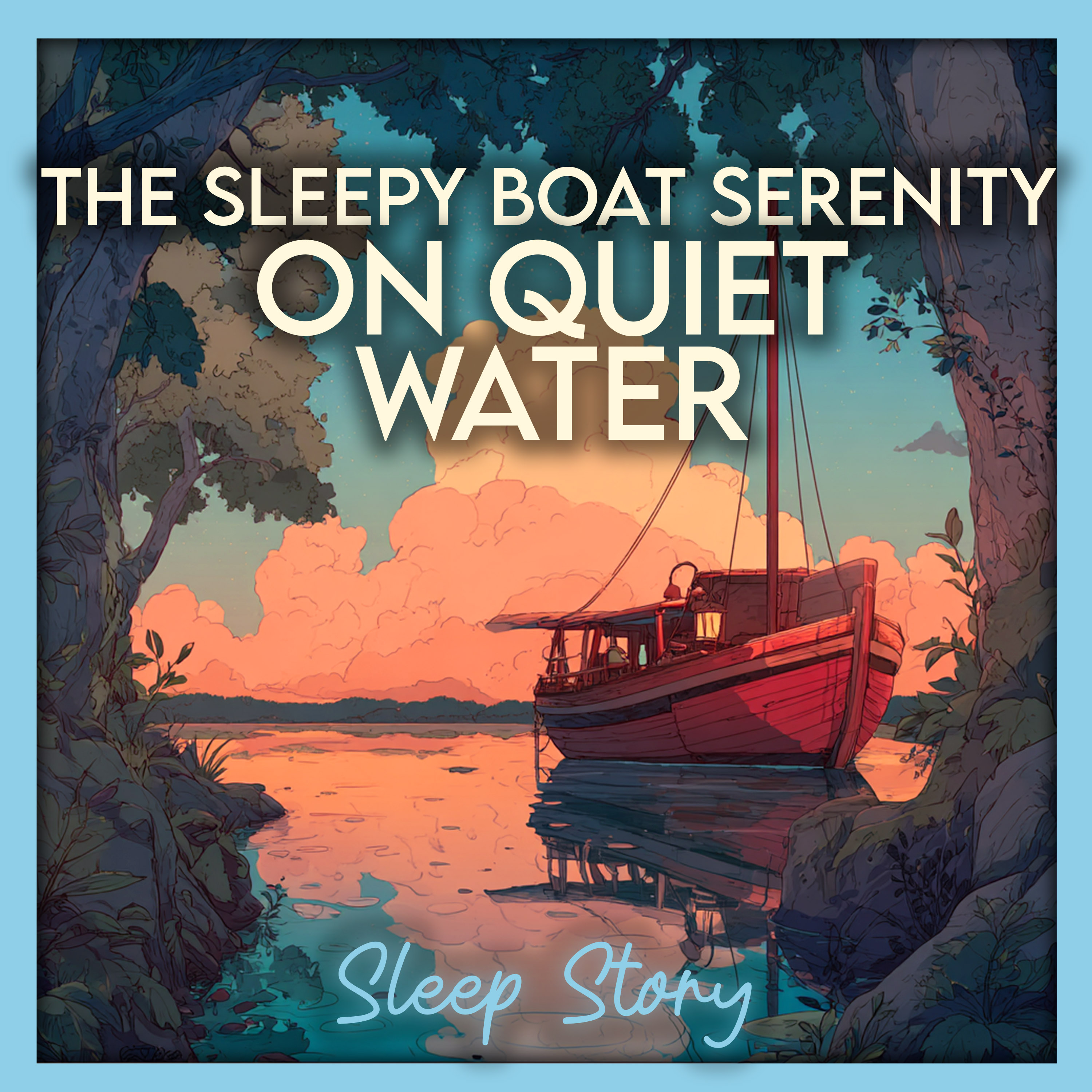
Unlike traditional fiction that relies on conflict, high stakes, and plot twists, cozy fantasy focuses entirely on atmosphere, texture, and emotional safety. When a narrative invites you to imagine a quiet, moonlit lake, an old wooden boat, or a distant glowing dreambell, it occupies the imagination with non-threatening stimuli. The brain stops scanning for imaginary threats and instead accepts the invitation to explore a serene, predictable environment.
Why Conflict-Free Narratives Matter for the Adult Brain
Adults consume high-conflict media throughout the day—news alerts, work emails, and complex decision-making leave the nervous system frayed. Introducing a story with zero conflict signals to the amygdala that it is safe to stand down. A narrative centered around drifting slowly through silver mist requires no analytical processing. The listener is entirely absolved of responsibility, which creates a psychological sanctuary where sleep can finally take root.
Sensory Anchors and Parasomnias Relief
Auditory imagery plays a massive role in regulating sleep onset. When soft-spoken narration is paired with subtle, consistent background sounds—such as the gentle lapping of water against a wooden hull—it acts as an auditory anchor. This phenomenon, closely related to the principles behind ASMR (Autonomous Sensory Meridian Response), triggers a relaxation response characterized by tingling sensations along the scalp and neck, alongside a marked decrease in muscle tension.
For those dealing with mild parasomnias or racing thoughts, these sensory anchors provide a predictable focal point. Instead of letting the mind wander into anxiety-inducing scenarios, the listener's attention is tethered to the rhythmic movement of the boat and the soft cadence of the storyteller's voice.
The Power of Deliberate, Slow Pacing
Pacing is perhaps the most critical element of bedtime storytelling. Rapid speech patterns force the brain to track information quickly, maintaining alertness. Conversely, exceptionally slow, deliberate narration matches the physiological state of a body preparing for rest. As the cadence slows down, the listener's breathing naturally synchronizes with the rhythm of the delivery, optimizing oxygen flow and signaling the parasympathetic nervous system to take over.
Integrating Audio Worlds Into Your Nighttime Routine
Creating an effective bedtime ritual requires minimizing friction between wakefulness and sleep. Relying on visual screens emits blue light that suppresses melatonin production, making audio-only content an ideal alternative. By utilizing comfortable sleep headphones and queuing a specialized atmospheric journey, you eliminate the need to stare at a device or actively manage your environment.
Allowing a soothing voice to guide your imagination through a fantasy landscape takes the effort out of unwinding. It transforms bedtime from a chore of trying not to think into an anticipated journey toward peace.
Conclusion
Overcoming bedtime restlessness is rarely about trying harder to sleep; it is about finding the right key to unlock a sense of profound safety and calm. Cozy fantasy storytelling offers a scientifically grounded method to quiet an overactive mind through low-stakes imagination and gentle sensory cues. To experience this immersive approach firsthand and let go of the day's tension, you can Listen to the full episode and let the gentle rhythm guide you into a deep, restorative night.
Frequently Asked Questions
How does cozy fantasy help with racing thoughts at night?
Cozy fantasy provides low-stakes, non-threatening imagery that occupies the prefrontal cortex, preventing it from latching onto daily worries, work stress, or anxious loops.
Why is spoken word audio better than music for falling asleep?
While music can be relaxing, a gentle narrative adds a predictable linguistic anchor that gives the wandering mind a safe path to follow, naturally leading toward sleep onset.
What makes atmospheric storytelling effective for adults?
Adults carry high cognitive loads and chronic daily tension. Atmospheric storytelling strips away conflict and complex plots, offering a rare psychological space focused purely on comfort and safety.
Does slow-paced narration physically alter the body's state?
Yes. Listening to slow, rhythmic speech helps lower heart rates, deepens breathing, and encourages the shift from the sympathetic nervous system to the parasympathetic rest-and-digest state.